If you are thinking about buying land or a fixer in Tom Nevers, the appeal is easy to understand. You may be drawn to the privacy, larger lots, and south-shore setting, but you also need to know what can affect your timeline, budget, and plans before you commit. In Tom Nevers, the smartest move is to look past the listing headline and focus on site conditions, access, zoning, and approvals. Let’s dive in.
Why Tom Nevers feels different
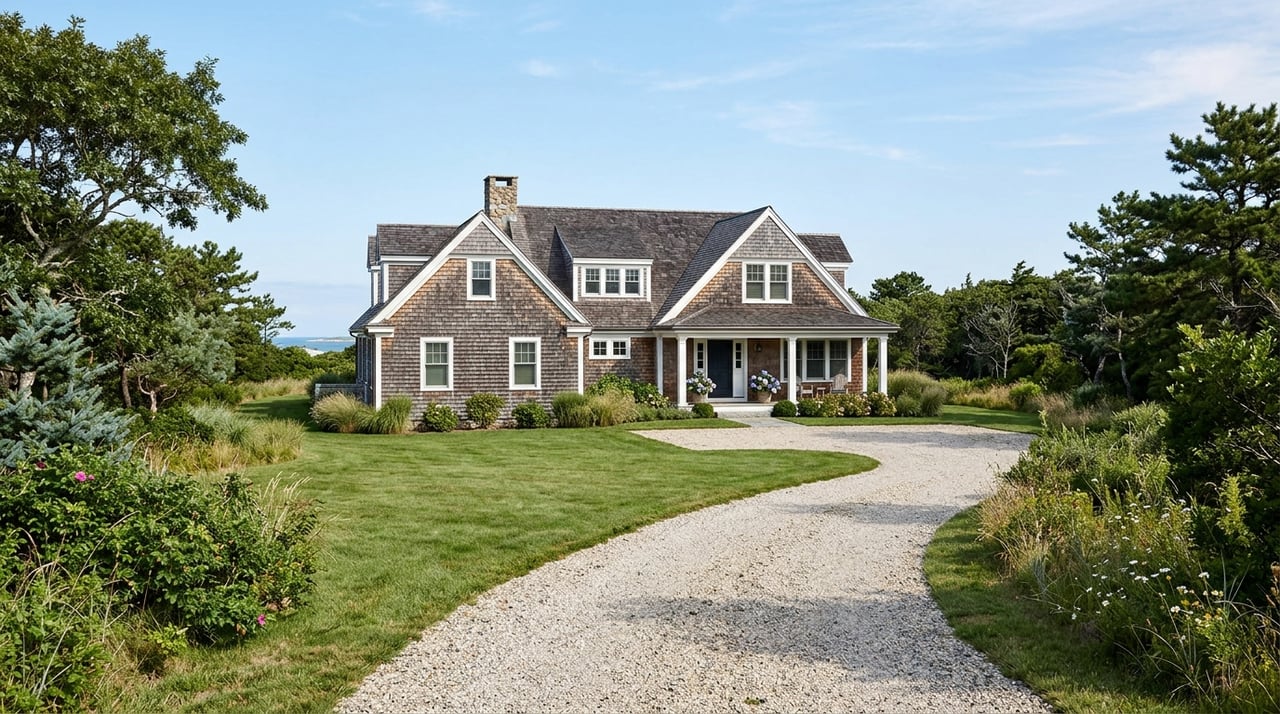
Tom Nevers sits on the southeast corner of Nantucket between Milestone Road and the Atlantic Ocean. According to the town’s historic survey, the area is known for large lots, curving roads, homes screened by vegetation, Tom Nevers Pond, and Tom Nevers Head Beach.
That setting often appeals to buyers who want more separation from the busier in-town experience. It is less about a compact village pattern and more about open space, coastal exposure, and the character of the land itself.
The town also describes the area as remote on its Tom Nevers Beach facility page. That matters if you are comparing Tom Nevers with a property closer to town, because your day-to-day experience can feel very different.
Land vs. fixer in Tom Nevers
Buying land
Raw land can offer flexibility, but it usually requires more due diligence upfront. In Tom Nevers, that means verifying what is truly buildable, how the lot is accessed, and whether environmental constraints reduce your usable area.
A parcel may look generous on paper and still have a limited building envelope. Wetlands, coastal features, septic needs, and zoning standards can all shape what is realistically possible.
Buying a fixer
A fixer can shorten the path to ownership if you are comfortable renovating over time. Still, in Tom Nevers, renovation projects are not always simple cosmetic updates, especially when exterior changes or site work are involved.
If your plans include changing rooflines, adding decks, expanding the footprint, or altering site features, you may need multiple layers of review. That is why a fixer should be evaluated not just for charm or price, but for permit complexity and long-term feasibility.
Start with parcel-level research
One of the biggest mistakes buyers make is assuming the neighborhood tells them enough. In Tom Nevers, you really need parcel-specific information before making decisions.
The town’s GIS maps are the best place to begin. They provide zoning maps, the Town and Country Overlay District map, the historic district map, a beach-driving map, and a road-ownership worksheet.
These tools can help you confirm:
- The exact zoning district
- Whether the parcel is in an overlay district
- Road ownership or access status
- Historic district context
- Sewer district location
That early map review can save you from making assumptions based on a listing description alone.
Understand zoning and lot standards
In Tom Nevers, many buyers focus first on lot size. That is important, but the better question is how zoning standards affect what you can actually do.
Under Nantucket’s zoning table, an R-20 lot requires a minimum lot size of 20,000 square feet, a 30-foot front setback, 10-foot side and rear setbacks, 75 feet of frontage, and 12.5% ground cover. An R-40 lot requires 40,000 square feet, a 30-foot front setback, 10-foot side and rear setbacks, 75 feet of frontage, and 10% ground cover.
Those standards can shape home size, placement, additions, driveway layout, and outdoor improvements. On a coastal site, the effect can be even more noticeable because setbacks and environmental constraints may overlap.
Check the Country Overlay District
Some Tom Nevers parcels may fall within the Country Overlay District. As Nantucket zoning notes, this overlay is intended to preserve rural land-use patterns and can affect site and infrastructure expectations differently than a tighter in-town lot.
If you are coming from an urban or suburban market, that distinction matters. A property in this overlay may require a different planning mindset from the start.
Wetlands can shrink your buildable area
For raw land, wetlands due diligence is one of the most important steps. Nantucket’s zoning rules state that for lots created after November 14, 1990, 90% of the minimum required lot area must be outside areas protected by the Wetlands Protection Act.
That means a lot can appear large enough at first glance but still have a smaller usable footprint than you expected. You can review the applicable rule in Nantucket’s zoning code.
In practical terms, this is why buyers should ask not only, “How big is the lot?” but also, “How much of it is actually buildable?”
Coastal exposure is a real factor
Tom Nevers offers a dramatic south-shore setting, but that comes with real coastal considerations. Nantucket’s shoreline change monitoring page states that the southern side of the island has historically experienced a higher rate of erosion than other areas, and Tom Nevers is one of the town’s shoreline monitoring stations.
That does not mean every property faces the same level of risk. It does mean erosion exposure should be part of your diligence if you are buying land, planning an addition, or evaluating long-term site use.
The same town resource references FEMA’s Nantucket coastal erosion map as a non-regulatory planning tool with 2030, 2050, and 2100 horizons. For buyers thinking long term, that is useful context.
Beach access is not automatic
Many buyers assume beach access works the same way across a neighborhood. In Tom Nevers, that is not always true.
Nantucket’s beach permitting authority list shows that Tom Nevers (East Side at #31) requires written permission through the Nantucket Land Bank, while Tom Nevers/Pebble (#30) requires written permission through the Nantucket Conservation Foundation.
The town’s beach facility page also notes that the parking lot consists of dirt and loose sand, and the route down to the beach is a sheer slope of loose sand. If beach use is a major part of your buying decision, it is worth confirming how access works for the specific area you expect to use.
Sewer or septic can change the process
If a parcel is not within the Town and Sconset sewer districts shown on the GIS maps, septic planning becomes especially important. That can affect both land purchases and fixer projects.
The town’s Citizen Self Service portal is a key reference for Health, Sewer, Electrical, Gas/Plumbing, and Zoning applications. For private septic systems, Massachusetts also provides statewide Title 5 guidance that can affect closing, renovation timing, and compliance.
For many off-island buyers, this is one of the biggest differences between buying a turnkey home and buying a project property.
Permits and approvals to expect
Tom Nevers is part of Nantucket’s island-wide Historic District. According to the town’s Historic District Commission page, it is not one of the two special core areas identified by the HDC, but exterior changes can still require review.
The HDC meets every Tuesday at 4 p.m., and public comments are due by 8 a.m. the Monday before the meeting. If you are buying a fixer, that schedule can matter when you are trying to plan design work or sequence permits.
If your project affects dunes, wetlands, coastal bank, or other protected resource areas, the Conservation Commission may also be involved. The commission meets twice monthly on Thursdays, and the town notes that applicants must have applied for or obtained other required permits before filing in some cases.
For larger site plans, subdivision questions, or more complex land matters, Planning Board or Zoning Board of Appeals review may come into play under Nantucket’s zoning framework. That is one reason land deals often need a broader diligence window than buyers first expect.
Questions to ask before you buy
Whether you are considering land or a fixer, these questions can help you focus on the right issues early:
- What is the exact zoning district for this parcel?
- Is the property within the Country Overlay District?
- What does the road-ownership or access status show on the GIS maps?
- How much of the lot is actually buildable after wetlands or coastal constraints?
- Is the property in a sewer district, or will septic planning be required?
- What beach access is nearby, and is it public or permission-based?
- Will my renovation plans trigger HDC or Conservation Commission review?
- Is the lot already created on an endorsed plan, or is additional planning work needed?
These questions can help you compare properties more clearly and avoid surprises after you are under agreement.
Which option may fit you best?
A land purchase may be a better fit if you want to create a custom property and are comfortable with a longer planning horizon. It can also make sense if your priority is getting the site and layout exactly right.
A fixer may be a better fit if you prefer an existing structure and want a project with a potentially more defined starting point. Even then, you should treat exterior work, site work, and infrastructure questions with the same level of care you would bring to a land purchase.
In Tom Nevers, the choice often comes down to your timeline, tolerance for approvals, and how much uncertainty you are willing to manage during the process.
Final thoughts on buying in Tom Nevers
Tom Nevers can be a compelling choice if you value privacy, open space, and a south-shore setting on Nantucket. But success here usually comes from careful site diligence, not quick assumptions.
If you are weighing land versus a fixer, the goal is not just finding a beautiful property. It is understanding what the parcel can support, what the shoreline and site conditions may mean over time, and how the approval path could shape your plans. If you want a local guide to help you evaluate Tom Nevers opportunities with a practical, island-specific lens, connect with John McGarr.
FAQs
What should you check first when buying land in Tom Nevers?
- Start with the parcel on Nantucket’s GIS maps to confirm zoning, overlays, road access, historic district context, and sewer district status.
How does wetlands regulation affect Tom Nevers land purchases?
- For lots created after November 14, 1990, 90% of the minimum required lot area must be outside protected wetlands areas, which can reduce the true buildable envelope.
Do fixer properties in Tom Nevers need Historic District Commission review?
- Yes, exterior changes may require HDC review because Tom Nevers is part of Nantucket’s island-wide Historic District, even though it is not one of the two special historic core areas.
Is beach access guaranteed for properties in Tom Nevers?
- No, beach access is not uniform in Tom Nevers, and some access points require written permission through the Nantucket Land Bank or the Nantucket Conservation Foundation.
Why does coastal erosion matter when buying in Tom Nevers?
- Nantucket states that the island’s southern shoreline has historically experienced higher erosion rates, and Tom Nevers is one of the town’s shoreline monitoring stations, so erosion exposure can affect planning and long-term use.