Chasing Nantucket’s best sunset views? You’ll hear Madaket again and again. This west‑end pocket delivers big‑sky evenings, dune‑lined beaches and a quieter pace that feels like classic island living. If you’re weighing a home here, you want the full picture: lifestyle, market context, rental rules, coastal risks and the fees that shape your budget. This guide gives you the essentials so you can explore Madaket with confidence. Let’s dive in.
Why Madaket draws sunset lovers
Madaket sits on Nantucket’s far west side with open ocean on one edge and a calm harbor on the other. That geography creates long, lingering sunsets and easy access to west‑facing beaches. The West End Overlook offers a simple, scenic spot to take it all in, while nearby dune paths and shoreline pull you outside daily.
You’ll find a low‑key rhythm here. People come for surf and tide pooling on the ocean side, and for kayaking or gentle swimming in the harbor when conditions allow. The area connects to the island’s bike routes, and day‑to‑day needs are served by a handful of local businesses in season.
Madaket market at a glance
Price ranges and inventory
Nantucket remains a high‑value market, and Madaket fits that pattern with multi‑million‑dollar price points for many homes. In recent years, island inventory has often been tight, with fewer active listings than demand. That supply picture supports higher median prices and creates competition for well‑located listings. If you are targeting a specific street or view corridor, verify current comps and tempo before you set your budget.
Home styles and setting
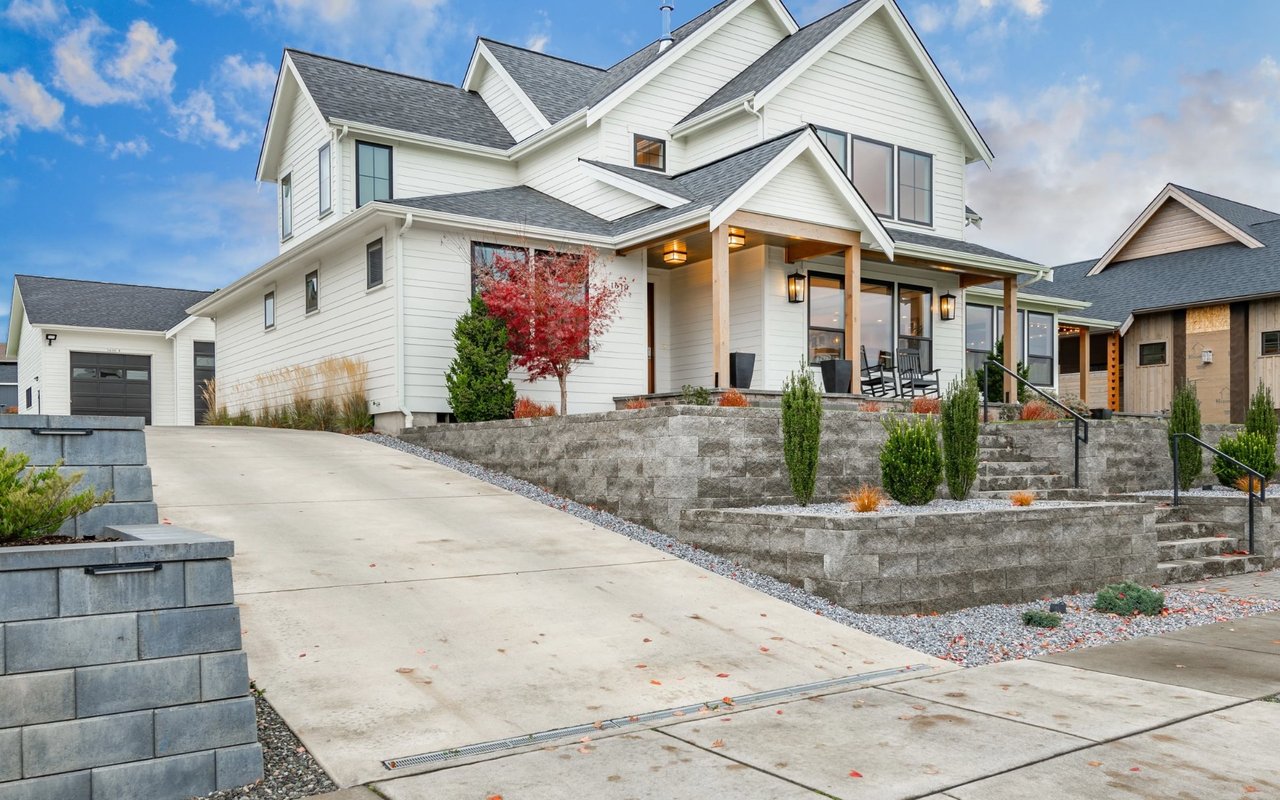
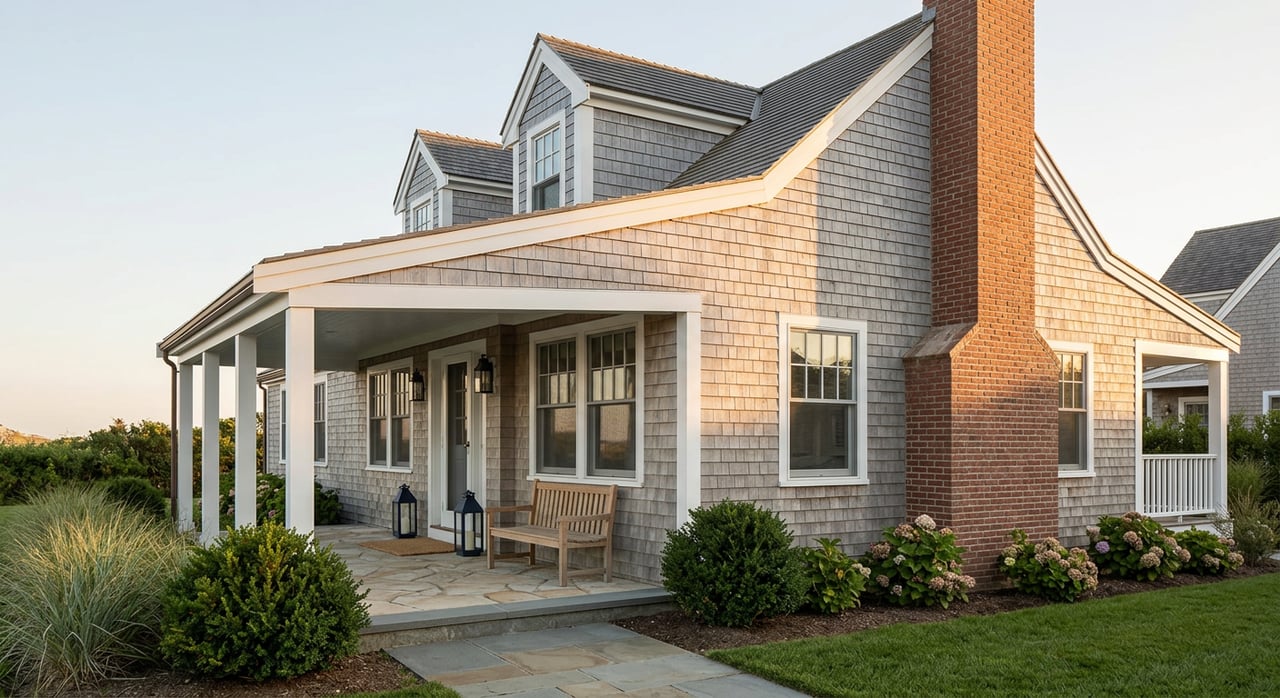
Madaket’s housing leans toward shingle cottages and simple beach houses, with some newer elevated rebuilds. Lot sizes vary from compact cottage parcels near the harbor to more open duneside settings toward Smith’s Point. The look is intentionally unpretentious and connected to the landscape, which is part of the area’s charm.
What to know before you buy
Seasonality and rental demand
Demand surges in late June through August, especially during major events like the Nantucket Film Festival. Peak weeks push up nightly rates and minimum‑stay requirements for short‑term rentals. In the off‑season, many services scale back, and owners plan for winterization and longer gaps between visits. If you intend to rent, model income with conservative shoulder‑season assumptions and plan around event calendars.
Short‑term rental rules and taxes
Nantucket requires short‑term rental registration and compliance with Town Code Chapter 123 and related regulations. Before you advertise, secure your certificate and build operations to the rules, which cover items like safety, local contacts and waste removal. Review the bylaw text in Chapter 123 and check the Town’s STR FAQs for current procedures.
Short‑term rentals are also subject to Massachusetts room occupancy excise taxes plus local and regional surcharges, which commonly total more than 14 percent of nightly revenue. Confirm the latest rates and filing steps with the state’s guidance on Massachusetts tax rates.
Land Bank buyer fee at closing
Every Nantucket home purchase includes the Nantucket Islands Land Bank transfer fee of 2 percent, typically paid by the buyer at closing unless an exemption applies. On multi‑million‑dollar deals, this is a meaningful cash item to plan for. See exemptions and details in the Land Bank’s transfer FAQ.
Septic, wells and building limits
Large parts of Madaket are not on municipal sewer and rely on private wells and on‑site wastewater systems. In nitrogen‑sensitive areas, upgrades may require innovative or alternative systems, and in some cases tight tanks, under Board of Health oversight. These rules can affect project scope and cost, so confirm system type, permits and any required upgrades before you finalize terms. The Hutton decision summarizes these Madaket‑area wastewater realities and enforcement context (case overview).
Flood, erosion and insurance
Madaket’s barrier beaches and harbor edges face documented erosion and flood exposure. Town resilience materials call out Madaket Harbor and Smith’s Point as priority areas, and the Harbors Action Plan provides helpful context for long‑term coastal planning. Review the Town’s coastal resources and mapping, and discuss parcel‑level scenarios with your insurer and lender (Harbors Action Plan PDF, Town site map).
Insurance can be more complex and costly for coastal properties, with special wind or hurricane deductibles and, in some cases, placement through the FAIR Plan or surplus lines. Get quotes early and align coverage with lender requirements and your risk tolerance (Massachusetts coastal insurance overview).
Historic District approvals
The entire island is under the Historic District Commission’s purview. Most visible exterior work and many new builds require a Certificate of Appropriateness before you can pull a permit. Plan time for HDC review, and approach design with Nantucket‑appropriate scale and finishes (Harbors Action Plan context).
Daily life and access
Getting around
Madaket is roughly 6 to 10 miles from Nantucket Town depending on the route. In summer, plan for a 20 to 30 minute drive due to traffic and seasonal activity. Many owners also use the island’s bike paths and shuttles for a car‑light routine on sunny days.
Beaches and lookouts
West‑facing shoreline is the star, with broad beaches for evening walks and sky views. For a quick, accessible vantage, the West End Overlook offers parking and a short stroll to sweeping horizons. On the harbor side, calm waters can be suitable for paddling when conditions are safe.
Buyer and investor checklist
- Verify current comps and MLS data for your target streets and view corridors. Market tempo and pricing shift season to season.
- Register your short‑term rental before marketing and build operations to Chapter 123 and Chapter 338 standards. Start with the bylaw text and Town STR FAQs and Chapter 123.
- Budget the 2 percent Land Bank transfer fee at closing and confirm any applicable exemptions (Land Bank FAQ).
- Confirm water and wastewater: identify septic type, permit status and any upgrade requirements in nitrogen‑sensitive zones (wastewater case context).
- Review coastal flood and erosion exposure with Town maps and resilience plans, then obtain insurance quotes for wind and flood early in your process (Harbors Action Plan).
- If you plan to rent, model ADR and occupancy conservatively, and account for state, local and regional room taxes in your net projections (Massachusetts tax rates).
- Plan for HDC review on most exterior work. Build timelines that respect approvals and seasonality for contractors.
Ready to explore Madaket?
If sunsets are your non‑negotiable, Madaket belongs on your short list. With the right prep around rentals, fees, septic and coastal exposure, you can enjoy the evening glow without surprises. For tailored comps, a smart tour plan and help navigating permits and vendors, connect with John McGarr for concierge‑level guidance on Nantucket’s west end.
FAQs
Is Madaket a year‑round place to live?
- Yes, although many homes are second residences and some services scale back in winter, so plan for winterization and seasonal rhythms.
Can I rent my Madaket home on Airbnb or similar platforms?
- Yes, if you register under Town Code Chapter 123 and follow operating rules; confirm current requirements before advertising.
How long is the drive from Madaket to Nantucket Town?
- Plan roughly 20 to 30 minutes depending on route, season and traffic; confirm specifics from a given property.
What closing costs are unique to Nantucket buyers?
- Budget for the buyer‑paid 2 percent Nantucket Islands Land Bank transfer fee in addition to typical closing costs.
What coastal risks should I evaluate in Madaket?
- Review flood and erosion exposure, potential sea‑level scenarios, and insurance availability and deductibles for wind and flood.
What should I know about septic systems in Madaket?
- Many properties use on‑site systems, and upgrades in certain zones may require nitrogen‑reducing technology or tight tanks; verify permits and costs early.