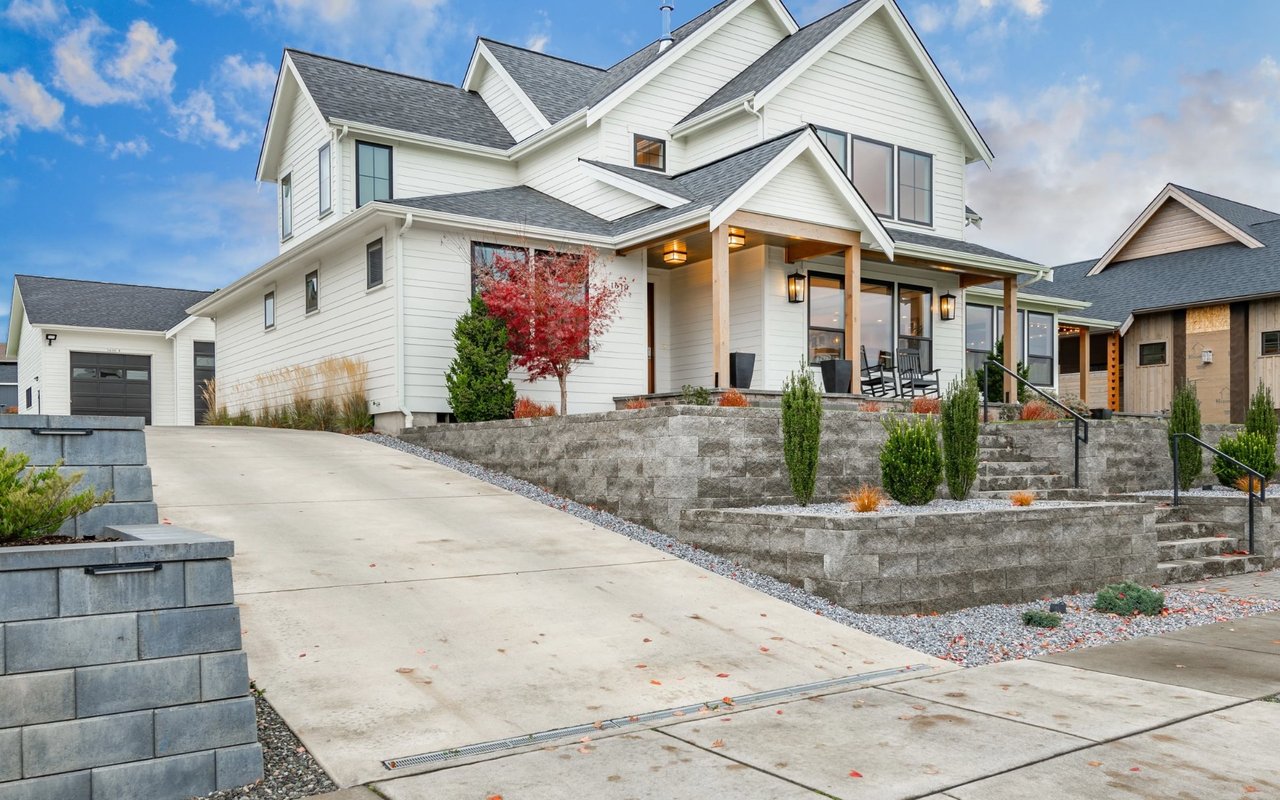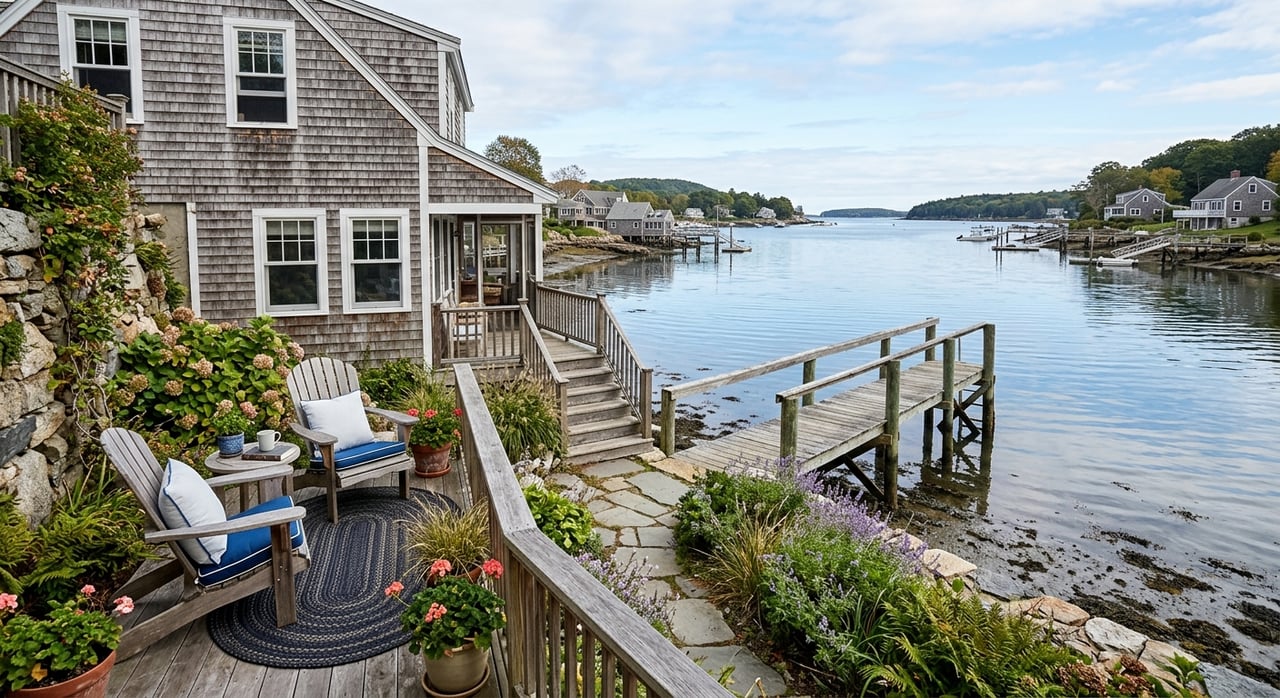
If you are searching for waterfront in Monomoy, it helps to know that not every “waterfront” setup works the same way. One property may offer direct harbor frontage, another may include a private path or stair to the water, and another may deliver the view without the access. When you are buying in a place where boating, shoreline conditions, and future exterior changes all matter, a smart checklist can save time and avoid surprises. Let’s dive in.
Why Monomoy Waterfront Takes Extra Review
Monomoy is closely tied to Nantucket Harbor, so the water is part of daily use, not just the backdrop. Town information places both The Creeks and Cathcart Beach within the broader Monomoy area, with harbor views and water access that support activities like kayaking and paddleboarding.
Nantucket Harbor is a large system of about 5,254 acres, and the Town has monitored harbor water quality since 1990. That bigger harbor setting is part of what makes Monomoy so appealing, but it also means you should look beyond the photos and understand exactly how a property connects to the shoreline.
At the same time, coastal ownership here comes with practical questions. The Town’s 2020 coastal risk assessment classified Monomoy as low inundation risk and moderate erosion risk, with 110 buildings within 500 feet of the coast. The Town also notes that sea level rose 8.7 inches between 1965 and 2023, so flooding, erosion, and sea-level rise remain active planning issues islandwide.
Confirm the Exact Water Access
Your first question should be simple: what are you actually buying access to? In Monomoy, that can mean direct waterfront, deeded access, a shared path, a private stair, or only a view corridor toward the harbor.
This distinction matters because nearby public access points may be limited or seasonal. The Town says Cathcart Beach is reached by dirt roads, offers limited summer parking, and can fill quickly. The Creeks can also be access-dependent on conditions, with some areas connecting to Monomoy only at low tide.
If access to the water is central to how you plan to use the home, ask for precise details early. You want to know whether the access is private, shared, public nearby, or visual only.
Questions to ask about access
- Is the water access deeded, shared, private, or public nearby?
- Is there a stair, path, or beach entry included with the property?
- Does the lot have direct frontage, or does it primarily offer views?
- Are there seasonal limitations that affect how you reach the shoreline?
Verify Mooring Rules Before You Assume Boating Ease
If you picture summer mornings with a boat in the harbor, start with the Harbormaster, not the listing language. The Town says the Harbormaster Division maintains permits for more than 1,800 moorings, works with 12 mooring handlers, and manages about 100 private navigational aids.
A mooring permit is not a casual extra. Town rules state that permits are renewed annually, tied to a specific registered vessel, and are not transferable. The sale, rental, or subletting of a mooring permit is prohibited, and when no spaces are available, applicants go onto a chronological waiting list.
That means a seller’s current boating setup may not automatically become yours. If a property is marketed with boating appeal, verify the actual permit status and what, if anything, may continue after closing.
What to confirm about a mooring
- Is there an active permit in place now?
- What vessel is tied to that permit?
- Was the mooring inspected within the required two-year period?
- Is the vessel Massachusetts-registered, nonmotorized, or federally documented with a Nantucket hailing port, as required by Town rules?
- If no mooring is available, what is your backup plan?
Think Through Dinghy and Launch Logistics
Many buyers focus on the boat and forget the dinghy. On Nantucket, that can create avoidable headaches.
Town rules say dinghies under 10 feet attached to permitted moorings need a dinghy permit. Only permitted dinghies may be stored in Town-designated racks or storage areas, and the Town Pier hosts the only dinghy dock for vessels on moorings or in the anchorage.
In other words, do not assume there is an informal place to leave a tender. If your boating routine depends on a dinghy, ask how that setup works in real life before you make an offer.
Dinghy checklist for Monomoy buyers
- Will your dinghy require its own permit?
- Is there permitted rack or storage space available?
- Will your boating plan depend on Town Pier access?
- Does the property offer a practical path between house, vehicle, and launch point?
Review Town Pier Slip Options Separately
Some buyers may prefer a slip over a mooring, but the Town Pier follows a separate process. The annual slip lottery is limited to mechanical-power vessels 35 feet or smaller with the required registration or documentation.
Applications open on September 15, and the Town says the lottery is held on the last Friday in October. If a slip is part of your plan, treat it as a separate piece of due diligence rather than an automatic substitute for a mooring.
Check Flood and Erosion Exposure by Parcel
Monomoy’s overall profile is helpful, but neighborhood-wide data is not the same as lot-specific risk. The Town identifies Monomoy as low inundation risk and moderate erosion risk, which is different from saying there is no exposure.
Before you move forward, review the parcel’s flood and erosion profile using the Town’s Coastal Hazards and Maps resources and related FEMA mapping. For a waterfront or near-water home, this step can shape your comfort level with the property, future planning, and long-term ownership expectations.
Coastal risk questions to ask
- How close is the structure to the coast?
- What do the Town’s hazard maps show for this specific parcel?
- Are there visible signs of erosion or shoreline change nearby?
- How might the lot’s coastal profile affect future planning decisions?
Confirm Sewer or Septic Status
On Nantucket, utility questions can have a real impact on ownership costs and future planning. Buyers should confirm whether a Monomoy property is served by sewer or septic and whether there are any known infrastructure considerations tied to the parcel.
The Town maintains both sewer and septic programs, and Town sewer materials include a Monomoy sewer layout and references to Monomoy South Pump Station planning. That makes it important to ask not only what serves the house today, but also whether future upgrades or connection expectations may affect the property.
If you are buying with renovation plans, this question becomes even more important. It is much easier to evaluate service status before an offer than after closing.
Plan Ahead for HDC Review
A lot of waterfront buyers think first about views, decks, stairs, outdoor showers, and future additions. On Nantucket, those ideas should be matched with a clear understanding of review requirements.
The Historic District Commission states that no building or structure may be constructed or altered in any way that affects exterior architectural features without HDC review and approval. The Town also confirms that even outside the Historic Cores, certain exterior work still needs HDC approval, including solar PV in some situations.
This is why your long-term vision matters now. If you hope to add a deck, adjust exterior features, or make other visible improvements, ask those questions before you are emotionally committed to the property.
Compare Monomoy Homes Beyond the Address
In Monomoy, the difference between two waterfront listings is often found in the details. Buyers commonly compare orientation, privacy, outdoor living areas, beach approach, storage, and whether the setting feels more sheltered or more open to the harbor.
You may also find meaningful differences in decks, porches, guest space, garages, and how the home sits on the site. A property with a strong harbor view may function very differently from one with easier shoreline access, and both may appeal to different ownership goals.
That is why a checklist matters. It helps you compare homes on the details that affect daily use, not just curb appeal.
Monomoy feature comparison points
- Harbor frontage versus harbor view
- Private access versus nearby public access
- Site orientation and afternoon light
- Privacy from landscaping or adjacent open space
- Decks, porches, and outdoor gathering areas
- Storage for beach and boating gear
- Flex space for guests or seasonal use
A Smart Monomoy Buyer Checklist
Before you submit an offer, make sure you can clearly answer these questions:
- What exact water access comes with the property?
- Is the boating setup real and currently permitted, or only assumed?
- If you need a dinghy, where will it be stored and launched?
- Would a Town Pier slip be part of your plan, and if so, have you reviewed the Town’s process?
- What does the specific parcel show for flood and erosion exposure?
- Is the home on sewer or septic?
- Are there future infrastructure questions tied to the lot?
- What exterior changes would require HDC review?
- Does the property match how you actually want to use Monomoy day to day?
The right Monomoy purchase is rarely just about finding a beautiful home. It is about making sure the house, the shoreline relationship, and your lifestyle goals all line up from the start.
If you are considering a waterfront purchase in Monomoy, working with someone who understands Nantucket’s neighborhood nuances can make the process far more straightforward. For tailored guidance on waterfront homes, boating logistics, and the details that matter before you write an offer, connect with John McGarr.
FAQs
What does waterfront mean for Monomoy homes on Nantucket?
- In Monomoy, waterfront can mean direct harbor frontage, deeded or shared water access, a private stair or path, or simply a strong harbor view without direct access.
Can a mooring transfer with a Monomoy home purchase?
- No. Town rules state that mooring permits are annual, tied to a specific vessel, and not transferable, sold, rented, or sublet.
Do Nantucket dinghies need permits for Monomoy boating setups?
- Yes, in some cases. Town rules say dinghies under 10 feet attached to permitted moorings need a dinghy permit, and only permitted dinghies may be stored in Town-designated areas.
Are Monomoy waterfront homes at flood or erosion risk?
- The Town’s 2020 assessment classified Monomoy as low inundation risk and moderate erosion risk, so buyers should review parcel-specific coastal hazard information before making an offer.
Do Monomoy homes on Nantucket need HDC approval for exterior changes?
- Yes. Nantucket’s Historic District rules require HDC review and approval for exterior architectural changes, and that should be considered early if you plan future improvements.
Should you check sewer or septic before buying in Monomoy?
- Absolutely. Buyers should confirm whether the home is served by sewer or septic and ask whether any future infrastructure plans or connection expectations may affect the parcel.