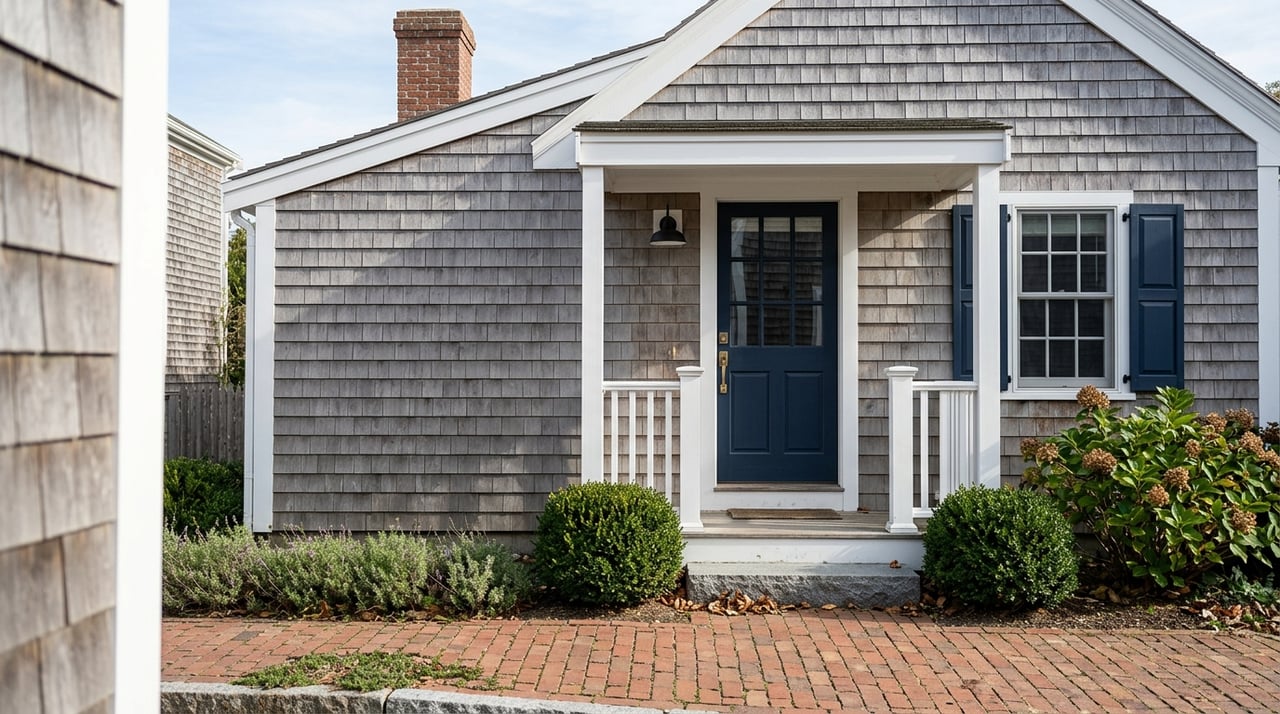
If your ideal Nantucket home lets you step off the ferry, settle in fast, and enjoy Town without building your day around a car, a lock-and-leave property can be a smart fit. Many buyers want a second home that feels easy to use, easy to return to, and closely connected to the parts of the island they enjoy most. In Nantucket Town, that appeal is real, but it comes with a few practical details you should understand before you buy. Let’s dive in.
Why Town Works for Lock-and-Leave Living
Nantucket Town is compact in a way that supports simple, part-time ownership. The Town notes that the island is only 14 miles long and 3.5 miles wide, with no traffic lights, and it places a strong emphasis on walking and biking.
For many owners, that changes the rhythm of daily life. Instead of driving for every errand, you may be able to arrive, park once, and rely on your feet, a bike, or transit for much of your stay.
The Town maintains more than 35 miles of sidepaths, which helps support island mobility beyond just the downtown core. Town Lane also creates a 1-mile connection from midtown to downtown, making short trips more manageable for owners who want convenience without constant car use.
That setup is a big part of why Town often appeals to second-home buyers. If you value proximity, flexibility, and a home base that feels easy to use for weekend visits or longer seasonal stays, Town checks many of those boxes.
What “Lock-and-Leave” Really Means in Town
A lock-and-leave home is usually less about size and more about simplicity. In Town, that often means choosing location and ease over a larger lot, more parking, or a more private outdoor setup.
The lifestyle tends to work best for buyers who want to spend their time enjoying Nantucket rather than managing a property every day. You can leave for stretches, return for a weekend or a full month, and quickly get back into island life.
The Town itself describes Nantucket as a place suited to weekend visits, seasonal stays, or year-round living. For a part-time owner, that supports the idea of a home that functions well as an intermittent base rather than a full-time, car-dependent property.
This is also why buyer fit matters. If your priority is a large private yard or easy everyday parking right outside your door, Town may feel less convenient than other parts of the island.
Walkability and Daily Convenience
Town is home to restaurants, galleries, shops, and historic landmarks, which gives it a high-energy, central feel. For many owners, that means your home is not just a place to stay, but a practical launch point for meals, errands, and social plans.
Visitor Services is located in the heart of downtown, and the Town says it helps people plan for a day or even a month. Street ambassadors also help people get around, which adds another layer of convenience for owners and guests who are not on-island full time.
That matters more than it may seem at first glance. A lock-and-leave property works best when the surrounding area is easy to navigate, especially if you are coming and going throughout the season.
It is also worth knowing the downtown biking rules. Riders are required to use the street or walk their bikes rather than ride on sidewalks downtown, so understanding that rhythm is part of using Town comfortably.
Ferry Access Helps the Lifestyle
One reason Town ownership feels practical for many off-island buyers is the connection to year-round ferry service. The Town says Nantucket is connected to Hyannis by both Hy-Line Cruises and the Steamship Authority.
According to the Town, the fast ferry takes about an hour, while the traditional vehicle ferry takes about 2 hours and 15 minutes. For buyers coming from Boston, New York, or elsewhere in the Northeast, that kind of access can make shorter stays feel more realistic.
This is part of the appeal of a Town home as a true second-home base. If your property is close to where you arrive and close to daily amenities once you are here, the whole ownership experience can feel more efficient.
Parking Is the Tradeoff
Convenience in Town often comes with tighter parking realities, especially in peak season. The Town provides public parking lots near downtown and other key areas, but anyone considering a lock-and-leave purchase should look carefully at how parking works for that specific property.
Seasonal demand can make a big difference. Residential parking permits apply to residents within a defined parking district for on-street parking in 2-hour zones, with enforcement running from June 1 through September 30.
The Town also notes that the seasonal valet service at 5 Candle Street is unavailable in 2026 because of construction. That is a useful reminder that downtown parking capacity is limited and can shift over time.
In practical terms, Town is usually a stronger fit for buyers who are comfortable with a walkable setup and some parking planning. It is less ideal if you want effortless, abundant parking every day of the summer.
Free Transit Adds Flexibility
Transit can make lock-and-leave ownership even easier. NRTA, also known as The WAVE, is offering free rides on all routes throughout 2026 and provides both fixed routes and on-demand service.
For owners, that can reduce the need to drive regularly after arrival. It can also be helpful for guests, renters, or family members who want flexibility without coordinating a car.
This is another reason Town can work so well for intermittent use. When walking, biking, and transit all play a role, the home can feel more effortless to enjoy.
Historic District Rules Matter
Every buyer in Town should understand one major ownership reality before making a move. All of Nantucket is within the Nantucket Historic District, and the Town identifies the Old Historic District as the town core.
That means exterior work is regulated. The Historic District Commission, or HDC, reviews exterior changes and new construction, and the Town states that no building or structure may be altered in a way that affects exterior architectural features without review and approval.
For lock-and-leave buyers, this can be both a benefit and a responsibility. On the positive side, these rules help preserve the look and consistency that make Town so appealing in the first place.
At the same time, exterior changes are not casual projects. The HDC publishes checklists for items such as color changes, roofs, hardscape, driveways, fences, gates, HVAC, sheds, and signs, and it notes that owners may still need condo association or other approvals as well.
Why Preservation Can Be a Plus
For many buyers, historic-district oversight supports the long-term charm of Town. The visual consistency, traditional streetscape, and preserved architecture are a big part of what makes ownership here feel distinct.
That can pair well with a second-home mindset. If you are looking for a property in an area where the built environment is carefully managed, Town may feel reassuring rather than restrictive.
Still, it is important to go in with clear expectations. If you think you may want to make quick exterior updates after closing, you will want to understand the approval process and timing early.
Seasonality Shapes the Ownership Experience
Town is busiest in summer, when the island features festivals, outdoor dining, community events, shops, and galleries. That lively stretch is exactly what many part-time owners want from their Nantucket home.
But the off-season is part of the story too. The Town notes that Nantucket still has a real cultural community and year-round residents outside the busiest months.
That creates a different pace depending on when you visit. If you want a home that supports both high-season energy and quieter off-season stays, Town can offer that mix.
The Town also says year-round staff work through the season to maintain public spaces, support transportation and infrastructure, and manage beach access. For owners, that ongoing support helps reinforce the ease-of-use appeal that lock-and-leave buyers tend to value.
If You Plan to Rent the Property
Some buyers hope to offset ownership costs by renting their property during part of the year. If that is part of your plan, local rules matter.
Nantucket requires a Short-Term Rental Certificate for any rental period of 31 consecutive days or less. The Town also states that each dwelling unit needs its own certificate.
This is an important point for buyers evaluating a Town property as both a personal retreat and an income-producing asset. Rental potential can be attractive, but compliance should be part of your decision from the start.
Is Town the Right Fit for You?
Town tends to make sense for buyers who want location, simplicity, and easy access to the heart of Nantucket. It is especially appealing if you picture arriving for a long weekend or summer stretch and spending most of your time on foot, by bike, or using transit.
It may be a strong match if you value:
- Walkable access to dining, shops, galleries, and landmarks
- A home base that works well for seasonal or part-time use
- Ferry-connected convenience for off-island travel
- A preservation-minded setting with consistent historic character
- Flexibility to enjoy Nantucket without relying heavily on a car
It may be less compelling if your must-haves include:
- A large private yard
- Easy everyday parking in peak season
- Casual exterior renovation freedom
- A more car-oriented lifestyle
The right choice depends on how you actually plan to live in the home. For many second-home buyers, Town offers one of the clearest lock-and-leave lifestyles on Nantucket because it keeps daily logistics relatively simple and places you close to the center of island life.
If you are considering a Town purchase, working with someone who understands both the lifestyle and the practical details can save you time and help you focus on the right fit. To explore Town homes, seasonal-use properties, or investment-minded opportunities on Nantucket, connect with John McGarr.
FAQs
What makes Nantucket Town good for lock-and-leave ownership?
- Nantucket Town is compact, walkable, and connected by sidepaths, transit, and ferry access, which can make part-time ownership easier for buyers who do not want a daily-car lifestyle.
What should buyers know about parking in Nantucket Town?
- Parking can be tight, especially from June 1 through September 30 when residential parking permit rules apply in designated areas, so it is important to evaluate parking carefully for each property.
What do Historic District rules mean for Town homeowners?
- Because all of Nantucket is within the Historic District, exterior changes that affect architectural features require review and approval from the Historic District Commission.
Can you rent out a lock-and-leave home in Nantucket Town?
- Yes, but if the rental period is 31 consecutive days or less, Nantucket requires a Short-Term Rental Certificate, and each dwelling unit needs its own certificate.
Is Nantucket Town a good fit for buyers who want a large yard and easy parking?
- Town is often a better fit for buyers who prioritize convenience, walkability, and central location than for buyers who want more outdoor space and simpler daily parking.
How do you get around Nantucket Town without a car?
- Many owners use walking, biking, and NRTA transit, and the Town supports mobility with sidepaths, downtown access routes, and visitor assistance in the downtown area.