If you are thinking about a Nantucket purchase with rental potential, Surfside stands out for one simple reason: summer is when this area shines. Buyers and investors are often drawn to the idea of steady rental demand, but on Nantucket, the real story is more seasonal and more specific. Understanding how Surfside works as a summer rental market can help you make a smarter decision about pricing, usage, and long-term expectations. Let’s dive in.
Why Surfside draws summer renters
Surfside Beach is one of Nantucket’s best-known south shore beaches, and its appeal goes beyond the shoreline itself. The town describes it as a wide, flat beach with rolling surf over sandbars, plus practical amenities like a large parking lot, seasonal restrooms, changing rooms with showers, a concession stand, and summer lifeguards. It is also accessible by bike, and The Wave provides direct summer service from town.
That combination matters in a rental market. Many guests are not just looking for a beautiful beach nearby. They want a beach experience that feels easy, convenient, and repeatable during a short vacation.
Surfside also appeals to a broad mix of summer visitors. According to the town, the beach is popular with swimmers, surfers, fishermen, and sunbathers, making it one of the more versatile beach areas on the island. For renters, that flexibility can widen the audience for a well-positioned property near Surfside.
Seasonality shapes the market
Surfside works best when you view it through a peak-season lens. Nantucket’s population is highly seasonal, with Moody’s reporting about 14,065 year-round residents and roughly 65,000 people in summer. The town also notes that its guarded beaches can average 6,000 to 10,000 visitors per day, with heavier traffic on holiday weekends.
That seasonal jump helps explain why Surfside is better understood as a summer rental market, not a year-round one. Demand compresses into a relatively short window, and that creates both opportunity and risk. If you underwrite a Surfside purchase, your assumptions should center on the busiest weeks of the year rather than broad annual occupancy.
Weather patterns support that timeline. NOAA normals for Nantucket Memorial Airport show average highs of 75.4°F in July and 75.7°F in August, with average lows in the low 60s. In practical terms, the strongest rental window is usually late June through Labor Day, when warm weather, guarded beaches, and transportation options all line up.
What makes Surfside appealing to guests
For many renters, Surfside is attractive because it lowers the friction of a beach vacation. The area offers direct access to one of the island’s most active beach settings, and the public amenities can make daily routines easier for guests. That convenience often becomes a real advantage when visitors are comparing summer rental options.
The beach itself supports a classic outdoor Nantucket trip. Rolling surf and sandbars make the area especially appealing for board sports, while the wider island recreation mix also includes biking, boating, fishing, and wildlife watching, according to the Nantucket Chamber’s activities guide. This means a Surfside rental may appeal not only to beachgoers, but also to guests planning a more active island stay.
Booking patterns also tend to cluster around key summer moments. The town’s lodging information references accommodation demand around holiday and special-event weekends like Memorial Weekend and the Fourth of July. For owners, that suggests pricing and marketing strategy should pay close attention to those concentrated periods of peak interest.
Amenities that matter most near Surfside
In a beach-first location like Surfside, the strongest amenities are often the simplest ones. Guests usually value features that make getting to and from the beach easier, not just features that photograph well in a listing.
Key priorities often include:
- Easy access to Surfside Beach
- Straightforward parking or transportation options
- Convenient bike access
- Access to summer bus service
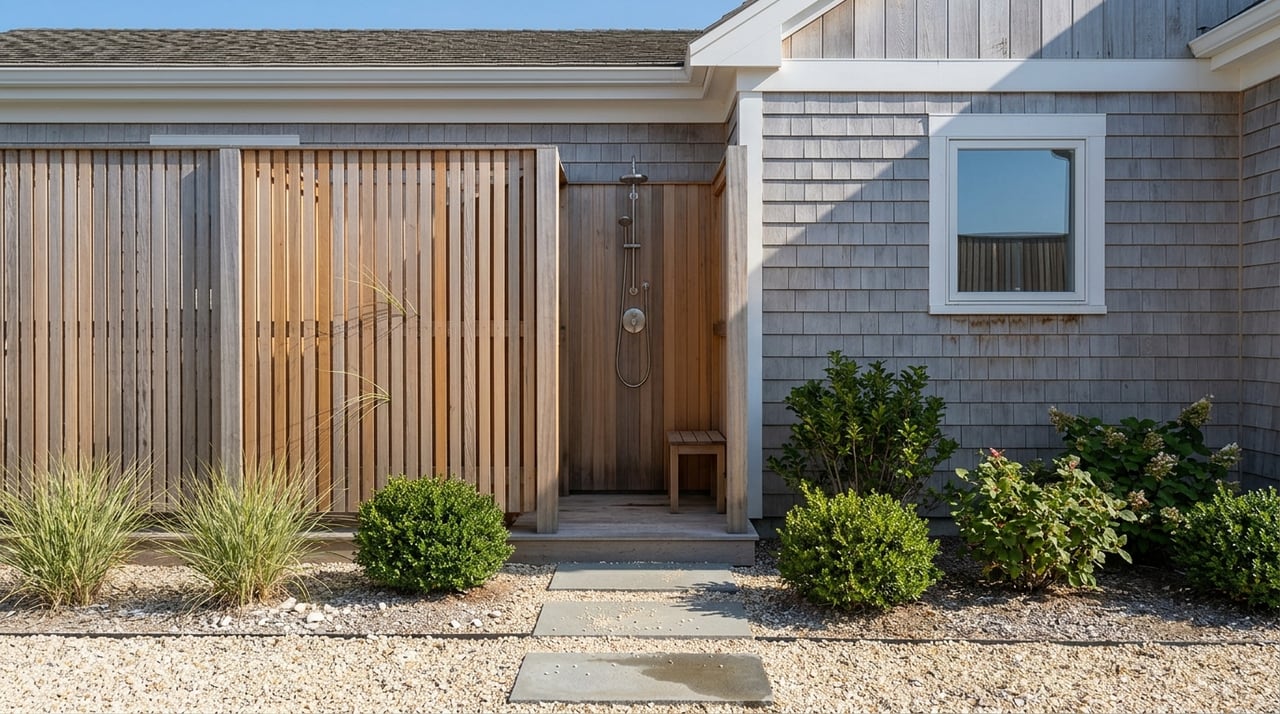
- Outdoor showers or rinse-off areas at the home
- Storage space for beach gear
- Practical layouts for group stays
Public beach amenities help support that experience. Surfside offers seasonal restrooms, changing rooms with showers, a concession stand, and summer lifeguards, which can make the location more attractive to vacation renters planning full beach days.
There are also a few logistical realities to keep in mind. The town notes that Surfside is busy, the walk from parking can be long in soft sand, and summer beach driving is restricted to night hours with a permit required. The town also states that beach areas west of the Surfside access are private and badly eroded, which can limit usable frontage in some areas. In other words, homes that simplify the guest experience often have a practical edge.
Who typically rents in Surfside
Surfside tends to fit guests who want a relaxed, beach-centered Nantucket stay. Based on the beach setting and town guidance, likely renter profiles include families, multi-generational groups, surfers, anglers, and repeat island visitors who book around major summer weeks.
This matters if you are evaluating whether a property matches the market. A home near Surfside may perform best when it clearly serves the needs of guests who plan to spend much of their stay outdoors, at the beach, on bikes, or exploring the island’s summer activities.
That does not mean every property needs to be ultra-luxury to compete. It does mean the home should feel easy to use, easy to access, and well suited to a short-term summer routine.
The regulatory side of short-term rentals
If you are considering Surfside as an investment or part-time personal-use property, Nantucket’s short-term rental rules need to be part of your planning from the beginning. The town states that a rental of 31 consecutive days or less requires a Short-Term Rental Certificate, while rentals of 14 days or less in a calendar year are not considered short-term rentals. Each dwelling unit must have its own certificate.
Current town guidance also lists a $250 annual registration fee, along with a 5.70% state room occupancy excise, a 6.00% local room occupancy excise, and a 3.00% community impact fee for qualifying rentals. The town also requires certificate numbers to appear in advertising. You can review the details in the Town of Nantucket short-term rental FAQs.
These rules do not make Surfside a weak opportunity. They simply mean that owners should look at the market with clear eyes and realistic operating assumptions. Compliance, cleaning, insurance, and maintenance all affect net income, especially in a location where earnings are often concentrated into a short summer season.
How to think about Surfside as an investment
A Surfside purchase can make sense for buyers who want a hybrid use case: personal enjoyment during parts of the summer, plus rental income during high-demand weeks. The area’s strongest value proposition is tied to peak-season appeal, not broad year-round occupancy.
That distinction is important. The Harbormaster notes that Nantucket guards 10 beaches from the end of June through Labor Day, reinforcing how much island activity is centered on a short, high-intensity summer period. Moody’s also notes that Nantucket’s economy is largely driven by tourism and that room occupancy excise revenues have nearly doubled since 2019, underscoring the strength of summer demand.
If you are evaluating a purchase, focus on a few core questions:
- How well can the home capture peak summer pricing?
- How much vacancy should you expect in shoulder months?
- What ongoing costs will reduce net income?
- How well does the property fit beach-focused guest demand?
- Does the location reduce friction around Surfside access?
This is where local market guidance becomes especially valuable. On Nantucket, small differences in beach access, transportation ease, layout, and seasonal usability can have an outsized effect on rental performance.
Surfside’s real opportunity
Surfside is compelling because it offers a clear, understandable rental story. It is built around summer beach demand, and the location benefits from strong name recognition, public beach amenities, and a vacation rhythm that aligns with how many visitors want to experience Nantucket.
The opportunity is not about pretending the market is busy all year. It is about recognizing that a compressed, high-demand summer window can still create meaningful value when the property is positioned correctly and expectations are grounded in local reality.
If you are considering a Surfside home for personal use, seasonal income, or both, working with an island-focused advisor can help you weigh location fit, rental potential, and ownership logistics with much more confidence. To talk through Surfside opportunities on Nantucket, connect with John McGarr.
FAQs
What makes Surfside a strong summer rental market on Nantucket?
- Surfside benefits from a popular south shore beach, summer transportation access, public beach amenities, and a high-demand window that typically runs from late June through Labor Day.
What types of renters usually look for Surfside Nantucket homes?
- Surfside often appeals to beach-focused vacationers, including families, multi-generational groups, surfers, anglers, and repeat Nantucket visitors planning summer stays.
What is the best rental season for Surfside properties on Nantucket?
- The strongest season is generally the core summer stretch, especially from late June through Labor Day, when weather, beach services, and visitor demand are most aligned.
What Nantucket short-term rental rules apply to Surfside homes?
- According to the town, rentals of 31 consecutive days or less require a Short-Term Rental Certificate, each dwelling unit needs its own certificate, and qualifying rentals may be subject to registration fees and occupancy-related taxes.
What amenities matter most for Surfside summer rentals?
- Renters often prioritize easy beach access, bike or bus convenience, rinse-off space, storage for beach gear, and practical home layouts that support simple summer routines.