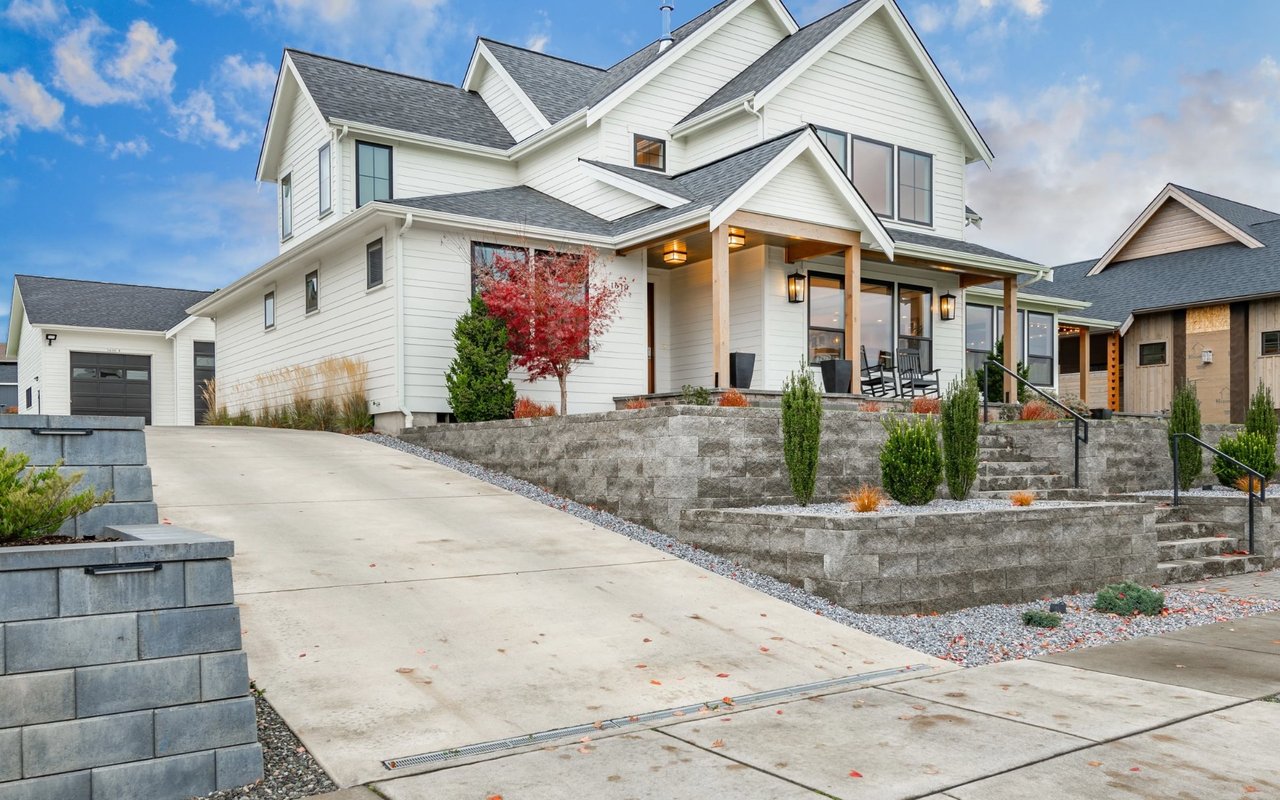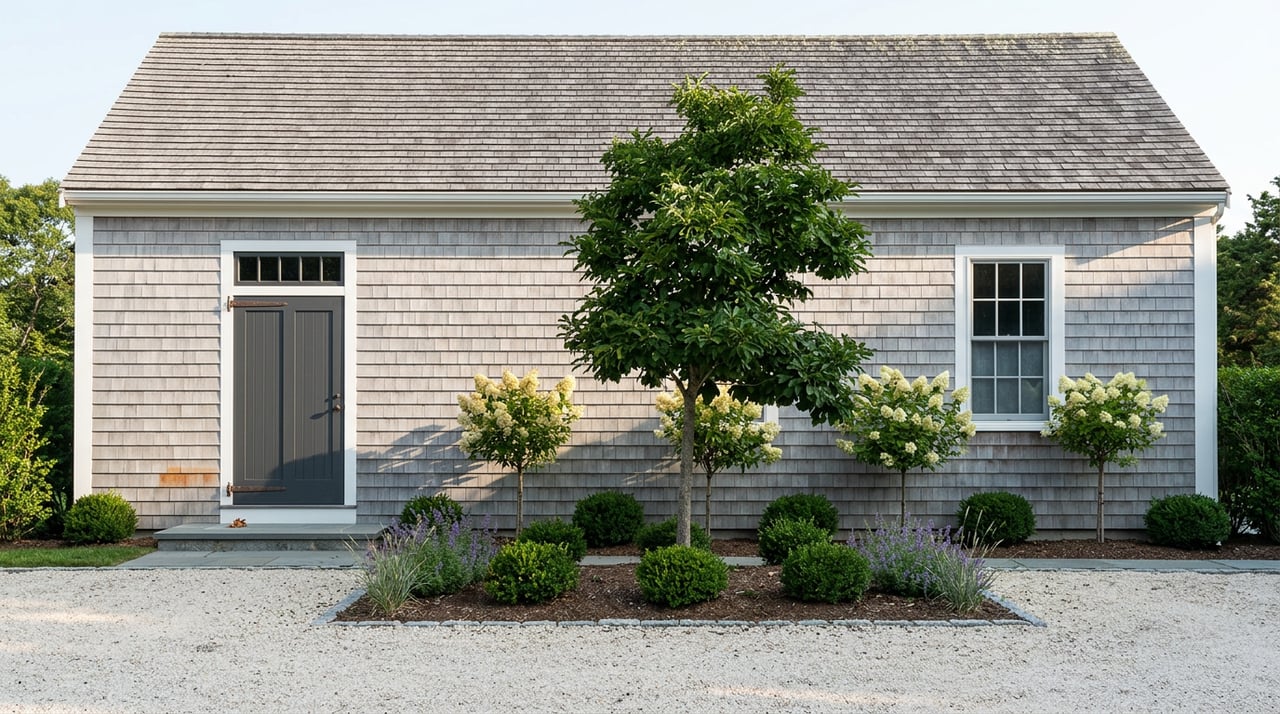
The March headline was easy to read wrong. A Pocomo Road estate closed at $16.8 million, and the island's real estate blogs treated it as another luxury data point. Look at the trade line by line and something more useful surfaces. The property carried an asking price of $17,995,000, sat 76 days on market, and traded at roughly 93% of ask on 3.68 acres with deeded harbor access, a pool house, and a guest cottage. That is not a runaway auction. It is a disciplined trade in a neighborhood where the pricing mechanism runs on scarcity of a very specific kind.
If you are comparing Pocomo to Brant Point, Cliff, or Wauwinet from a laptop in Boston or Fairfield County, the median-price view will tell you Pocomo is expensive. It will not tell you what you are actually paying for. The answer, once you sit with the transactions and the geography together, is that a Pocomo premium is paid for what the neighborhood withholds as much as for what it delivers.
Reading the 33 Pocomo Road trade
Fisher's March 2026 recap put 33 Pocomo Road at the top of the month, and the wider quarter was thin around it. Jennifer Shalley Allen's commentary in that recap noted March dollar volume of roughly $90 million with 20% fewer transactions than March 2025, and first-quarter totals of 53 sales at $250 million. J Pepper Frazier's YTD dashboard through May 3, 2026 shows a median sale price of $3.32 million, average days on market of 150, and a sale-to-original-ask ratio of 92% across the island.
Pocomo sits at the top of that distribution, not in the middle of it. John Trudel's spring 2026 market report grouped Pocomo with Brant Point, Shimmo, and Dionis in the estate tier of homes above roughly 5,000 square feet on an acre or more, a segment he pegged at about 10% of transactions but 35% of dollar volume. In other words, when a Pocomo house trades, it moves a disproportionate share of the market's money, and it usually trades close to ask after a real marketing period. A 76-day sale at 93% of list is the shape of the neighborhood, not an outlier.
The three things a Pocomo price is buying
Set aside finishes and square footage for a moment. The land itself is doing most of the pricing work. Three attributes recur in every serious Pocomo listing.
- Deeded harbor access on shellfish-grade water. The point faces the upper harbor on two sides, sheltered by Coatue and Great Point. Listings like 33 Pocomo Road describe the deeded beach right as the most compelling feature for a reason: harbor frontage is finite, and most Pocomo parcels reach the water only through a path over a neighboring lot.
- Parcels that clear three acres. 33 Pocomo Road sits on 3.68 acres. The Weetamo Road listing pending at $8,995,000 in the same window is a five-bedroom on comparable land. The estate tier at this end of the harbor is defined less by square footage than by lot depth and setback from the road.
- Wind and calm water on the same shoreline. The Nantucket Kiteboarding Association describes Pocomo Point as the best launch in the harbor, and a documented summer effect intensifies the prevailing southwest wind at the point specifically. On the same beach, the water inside the point is warm, shallow, and almost waveless.
That last combination is unusual anywhere on the Atlantic. Most windsport-grade shorelines are punishing for small children. Pocomo is not.
What Pocomo withholds
The prices make more sense once you look at what a Pocomo address does not include. Compare it to two other water-adjacent neighborhoods in the client's coverage area:
| Feature | Pocomo | Brant Point | Wauwinet |
|---|---|---|---|
| Walk to Town restaurants | No | Yes | No |
| Commercial services in the neighborhood | None | Adjacent | The Wauwinet hotel and restaurant |
| Lifeguarded beach | No | Yes at Jetties and Children's | No |
| Road surface at the address | Dirt for the last half mile | Paved | Paved |
| Typical lot size in the estate tier | 3+ acres | Under 1 acre common | 1 to 3 acres |
| Bugs in high summer | Yes | Minimal | Yes |
The Pocomo column reads like a list of reasons not to buy. That is the mechanism. Nantucket.net's beach guide notes plainly that Pocomo Beach has no lifeguards, no facilities, very limited parking, and the last half mile is unpaved. The Cape Cod Beach Chair guide adds that there are no public facilities, lifeguards, or concessions at the point at all. Those frictions filter the buyer pool down to households that want a peninsula, not a village, and they filter the sellers too, because a dirt road at the front door discourages the speculative flipper who is happy to spend six weeks a summer and lease the rest.
The kiteboarding rule that quietly protects the swim beach
Off-island buyers reading listings sometimes worry about the kite scene at the point. The rule structure is worth understanding. Under the guidelines published by the Nantucket Kiteboarding Association and observed at the point, riders may only launch and land at the tip of the point during July and August. The Harbor Master sets two buoys in the water each summer that mark an invisible line, and no kite riding is allowed inside that line, which is the beach's swimming area.
For a Pocomo homeowner, that rule works in both directions. The wind machine is preserved for the sport. The shallow, warm inner water becomes a de facto private-feeling family beach for anyone within walking distance, because the kite traffic is legally pushed outward. It is one of the few places on the island where a windsports culture and a toddler culture share a shoreline without competing for it.
The Wauwinet Road bike path is a real change
The one recent shift worth pricing into a Pocomo decision is infrastructure. A new bike path along Wauwinet Road has been added to the town's cycling network, and it improves the ride out from town toward the head of the harbor without adding a single commercial service to Pocomo itself. That combination is rare. Most amenity upgrades on Nantucket bring traffic with them. This one adds access for residents and their guests, particularly children who could not previously ride safely from a Polpis or town-side rental to the point, and leaves the neighborhood's commercial profile untouched. If you are comparing Pocomo to a similarly priced Wauwinet parcel, the bike path narrows one of Pocomo's historical disadvantages, which was the difficulty of reaching it without a car.
The working-harbor identity
Two small facts belong in any honest Pocomo comparison. Pocomo Meadow Oysters, raised on the shellfish-grade water off the point, are on the menu at island restaurants including Cru on Straight Wharf. Next Level Watersports runs the kiteboarding and e-foiling instruction based off the same shoreline. Neither business is a commercial neighbor in the sense a buyer would see from a porch, but both mean the neighborhood is doing something other than sitting empty from October to May. That matters for resale. A neighborhood with a working identity ages differently than one that reads purely as a summer stage set.
How this shows up in a Pocomo transaction
Three practical points for a buyer who is close to acting.
First, expect a real marketing period. Days on market at the estate tier ran to 76 for 33 Pocomo Road and 21 for the current Weetamo pending, against an island average of 150 YTD as of early May 2026. That is a wide range, and it corresponds to how tightly the property is priced at list.
Second, expect the seller to hold close to 90% of original ask. The March comp closed at roughly 93% of the first list price and 94% of the last. That is consistent with the island-wide 92% figure and slightly better, which is the pricing discipline you would expect in a supply-constrained pocket.
Third, expect diligence around the shoreline. Deeded harbor access is a document, not a view. The instrument that grants it lives in the Nantucket Registry of Deeds, and the language varies parcel to parcel. That is the single most important sentence in a Pocomo purchase and sale, and it is where an experienced buyer's agent earns the fee.
FAQ
Is Pocomo a good fit for a full-time resident? It can be, and a small number of households do it. Understand that groceries, coffee, and school runs mean driving to town or Polpis year round. The neighborhood does not carry a walk-to-anything premium because there is nothing to walk to.
How does Pocomo compare to Wauwinet on price per acre? Both are estate-tier neighborhoods in the same corner of the harbor. Wauwinet carries a small services premium from the hotel and restaurant. Pocomo carries a wind and shellfish-water premium that Wauwinet does not. The two often trade at overlapping ranges, and the choice between them is usually about how a buyer weights privacy versus a nearby dining room.
Are Pocomo homes viable as seasonal rentals? Yes, though the buyer pool for a $10 million-plus rental is different from the Brant Point or Sconset renter. Owners tend to attract multi-generation families who value privacy and water access over walkability, and rental weeks are typically booked well ahead through vetted channels rather than open portals.
Considering a Pocomo purchase or wondering what your current Pocomo home would trade for in this market? John McGarr works this corner of the harbor closely and can walk through comparable trades, the deed language behind the beach right, and the seasonal calendar before you fly out for a showing.